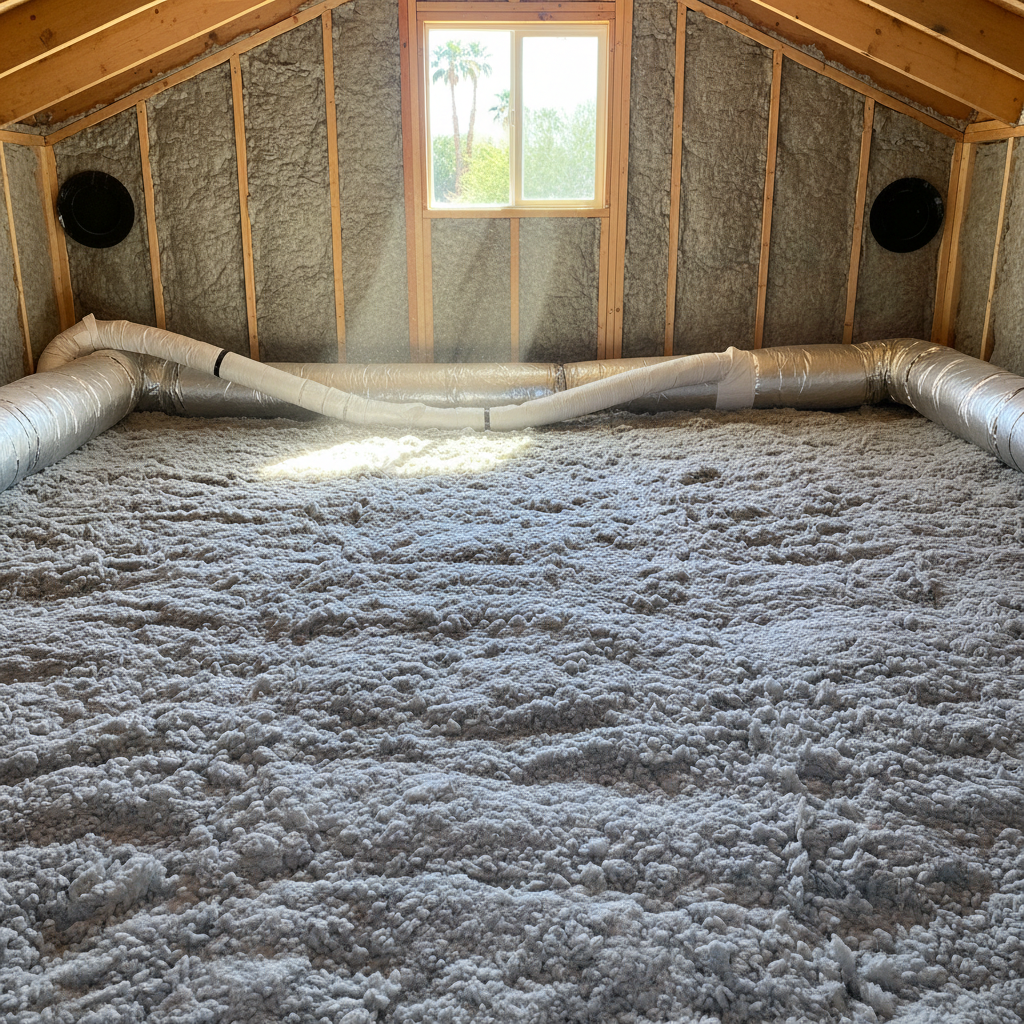
You're thinking about upgrading your attic insulation. Good for you! It's one of the best investments you can make for your Glendale home, especially with our summers. But here's the thing: a lot of folks mess it up. They make mistakes that end up costing them more money, more headaches, and less comfort in the long run. I've seen it time and again, and I want you to avoid those pitfalls.
Mistake #1: Not Understanding Your Current Insulation
This is a big one. Many homeowners just assume they need more insulation, or a different type, without really knowing what they've got up there already. You might have old fiberglass batts, blown-in cellulose, or even some ancient rock wool. Each type has its own R-value and characteristics. Just piling new insulation on top of old, compacted, or moisture-damaged material isn't going to do you any favors. In fact, it can trap moisture and create bigger problems.
Before you even think about hiring someone, take a peek in your attic. Safely, of course. What's it look like? Is it patchy? Is it compressed? Are there signs of water damage or pests? Knowing what you're dealing with helps you ask the right questions and spot a contractor who's just trying to sell you something you don't need.
Mistake #2: Focusing Only on R-Value
Everyone talks about R-value, and yes, it's important. It measures thermal resistance. The higher the R-value, the better the insulation's ability to resist heat flow. But it's not the only game in town. Especially here in Glendale, where we're fighting extreme heat, air sealing is just as, if not more, critical.
Think about it: if you have R-60 insulation but your attic is full of gaps and cracks where hot air from your attic can pour into your living space, that R-60 isn't doing its full job. You're effectively trying to cool your house with a window open. A good insulation job starts with thorough air sealing around all penetrations – plumbing stacks, electrical wires, recessed lights, and the top plates of your interior walls. Without proper air sealing, you're throwing money into the attic that's just leaking out.
Mistake #3: Choosing the Wrong Contractor (or just the cheapest one)
This is where I see people get burned the most. It's tempting to go with the lowest bid, but in insulation, that often means cutting corners. Here are some red flags:
- No attic inspection: If a contractor gives you a quote over the phone without ever stepping foot in your attic, run. How can they know what you need if they haven't seen it?
- Pushing one product: A good contractor, like us at Glendale Spray Foam Insulation, will discuss different options – spray foam, blown-in, batts – and explain why one might be better for your specific situation. If they only push one thing without explanation, they might just be trying to move inventory.
- No mention of air sealing: As I said, this is crucial. If they're just talking about blowing in more material and not addressing air leaks, you're missing a huge piece of the puzzle.
- Lack of local references: Ask for references, especially from people in your area. Someone who's done work in a historic home in the Catlin Court district might have different insights than someone who only works on new builds.
- Unclear warranties or guarantees: What happens if the insulation settles too much, or if you find a problem later? Get it in writing.
Mistake #4: Ignoring Ventilation
Your attic needs to breathe. Even with excellent insulation, proper ventilation is essential to prevent heat buildup and moisture issues. In our climate, a super-heated attic can put a lot of strain on your HVAC system, even if your living space is well-insulated. Good ventilation helps move that hot air out, keeping your attic cooler and extending the life of your roof.
Make sure your contractor discusses your attic's current ventilation situation. Are your soffit vents clear? Do you have ridge vents or adequate exhaust vents? Sometimes, adding more insulation without addressing ventilation can actually make things worse by trapping heat and moisture.
Mistake #5: Not Considering the Long-Term Benefits
Some folks look at the upfront cost of a really good insulation job and balk. They might opt for a cheaper, less effective solution. But think about the long game. A properly insulated and air-sealed attic isn't just about immediate comfort; it's about:
- Lower utility bills: Year after year, you'll save money on heating and cooling.
- Increased home value: Energy-efficient homes are more attractive to buyers.
- Extended HVAC life: Your AC won't have to work as hard, meaning fewer repairs and a longer lifespan.
- Improved indoor air quality: Less outside air infiltration means fewer allergens and pollutants.
Don't just look at the sticker price. Look at the return on investment over the next 10, 20, or 30 years. It's usually a no-brainer.
Doing your homework and asking the right questions will save you a lot of grief and money. Don't settle for a quick fix that won't deliver the comfort and savings you expect. Get it done right the first time.