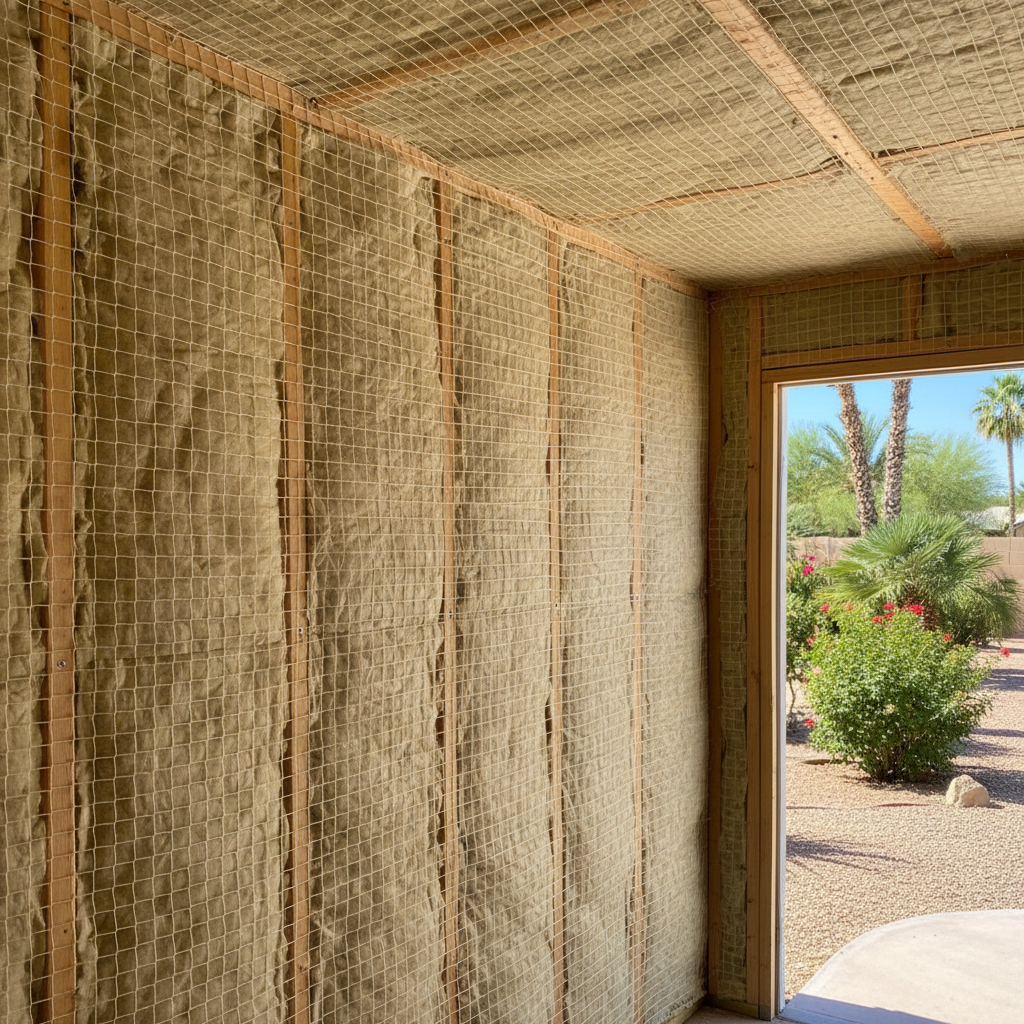
Thinking about insulating that shed in your backyard? Good on ya. You're probably tired of your tools getting scorching hot or your holiday decorations melting into a single, unrecognizable blob out there. But hold on a minute before you grab that roll of fiberglass. I've seen a lot of folks in Glendale make some real head-scratchers when it comes to shed insulation, and you don't want to be one of 'em. Let's talk about the common mistakes I see, so you can avoid the headache and actually get a shed that works for you.
Mistake #1: Treating a Shed Like a House (It's Not!)
This is a big one. A lot of homeowners think, "Hey, I'll just insulate it like my house!" And then they go buy standard batt insulation, shove it in the walls, maybe put up some drywall, and call it a day. Problem is, most sheds aren't built like houses. They often have thinner studs, no vapor barrier, and they're usually sitting on concrete slabs or skids with no real foundation ventilation. You're creating a perfect little trap for moisture and mold if you just seal it up with traditional insulation without proper planning.
Especially here in Glendale, with our monsoon season humidity and those long, hot summers, you've got to be smarter. That trapped moisture will condense, soak your insulation, and then you've got a moldy, ineffective mess. You'll be ripping it all out in a couple of years, guaranteed. Think about how your shed is constructed and what its primary purpose is. That dictates your insulation strategy, not just what's cheap at the big box store.
Mistake #2: Ignoring Air Sealing (The Biggest Waste of Money)
You can put the thickest, most expensive insulation in the world into your shed, but if you don't seal up the air leaks, you're just throwing money away. I see this all the time. Gaps around the door, cracks in the siding, unsealed vents, tiny spaces where the walls meet the roof – these are all highways for hot air to get in and cool air to get out (or vice versa). Insulation slows heat transfer through materials; air sealing stops air movement.
Before you even think about insulation, grab some caulk, expanding foam, and weatherstripping. Seal every single crack and gap you can find. Pay special attention to the door and windows. You'd be amazed at how much difference this makes. It's often more important than the R-value of the insulation itself, especially in a small, often drafty structure like a shed.
Mistake #3: Not Considering the Floor and Ceiling
People get focused on the walls, and they totally forget about the top and bottom. Heat rises, right? So if your shed roof isn't insulated, that blazing Arizona sun is just cooking everything inside. And if your shed is sitting on blocks or skids, with an open floor underneath, you're losing a ton of conditioned air or letting ground heat seep right in.
For the ceiling, you need something that can handle the extreme attic temperatures. For the floor, especially if it's raised, you need to block that air movement from below. I often recommend spray foam for both these areas because it seals and insulates in one go. It gets into all those nooks and crannies, creating a seamless barrier that traditional insulation just can't match. We do a lot of shed floors and ceilings at Glendale Spray Foam Insulation for this exact reason – it just works better for these tricky spots.
Mistake #4: Picking the Wrong Type of Insulation for the Job
Not all insulation is created equal, and what works great in your house might be terrible for your shed. For instance, traditional fiberglass batts can absorb moisture, sag, and become a haven for pests if not installed perfectly and protected. Rigid foam boards are good, but they leave gaps if not cut precisely, and they don't air seal.
For sheds, especially those that aren't climate-controlled 24/7, you need something robust. Closed-cell spray foam, for example, not only insulates incredibly well but also acts as an air barrier and a vapor barrier. It's dense, doesn't sag, and pests don't like it. It's an investment, sure, but it's one that pays off in comfort and longevity, especially when you're dealing with the intense heat we get in neighborhoods like Yucca District or the often-overlooked moisture issues. You want something that can handle the temperature swings and potential humidity without breaking down.
Mistake #5: DIYing When You Should Call a Pro
Look, I'm all for homeowners tackling projects. But insulation, especially spray foam, isn't always a weekend warrior job. If you're going with batts or rigid foam, sure, you can probably handle it. But if you're looking for a truly effective, long-lasting solution that deals with air sealing and vapor control, you might be better off calling in someone who knows what they're doing.
I've seen so many DIY spray foam jobs where the homeowner didn't get the mix right, or they applied it too thin, or they missed huge sections. Then they're stuck with an ineffective, ugly mess that's hard to fix. A professional knows how to prepare the space, apply the material correctly, and ensure you get the R-value and air seal you're paying for. Don't cheap out on the installation if you want your shed to actually be comfortable and useful for years to come.
Insulating your shed is a smart move, but you've got to do it right. Don't fall into these common traps. Plan it out, seal it up, and pick the right materials for our Glendale climate. You'll be glad you did when your tools aren't melting and your holiday decor isn't growing its own ecosystem.